
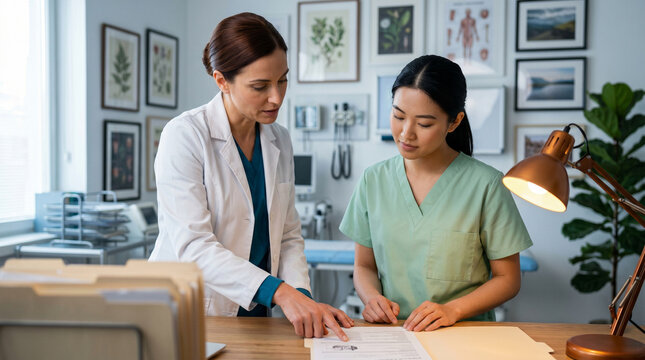
Becoming a surgeon requires an incredible amount of dedication hard work and academic study. Medical students have been studying human anatomy for years in difficult exams and in lengthy lecture halls. But no amount of reading or watching on a computer screen can match the benefit of seeing the real thing up close and in person. The operating room is a complex and fast paced environment that requires fast thinking and perfect emotional control. That is where medical mentorship is of utmost importance. Having an experienced guide allows young residents to bridge the gap between classroom theory and real life surgical practice.
Transitioning From Classroom Theory To Operating Room Practice
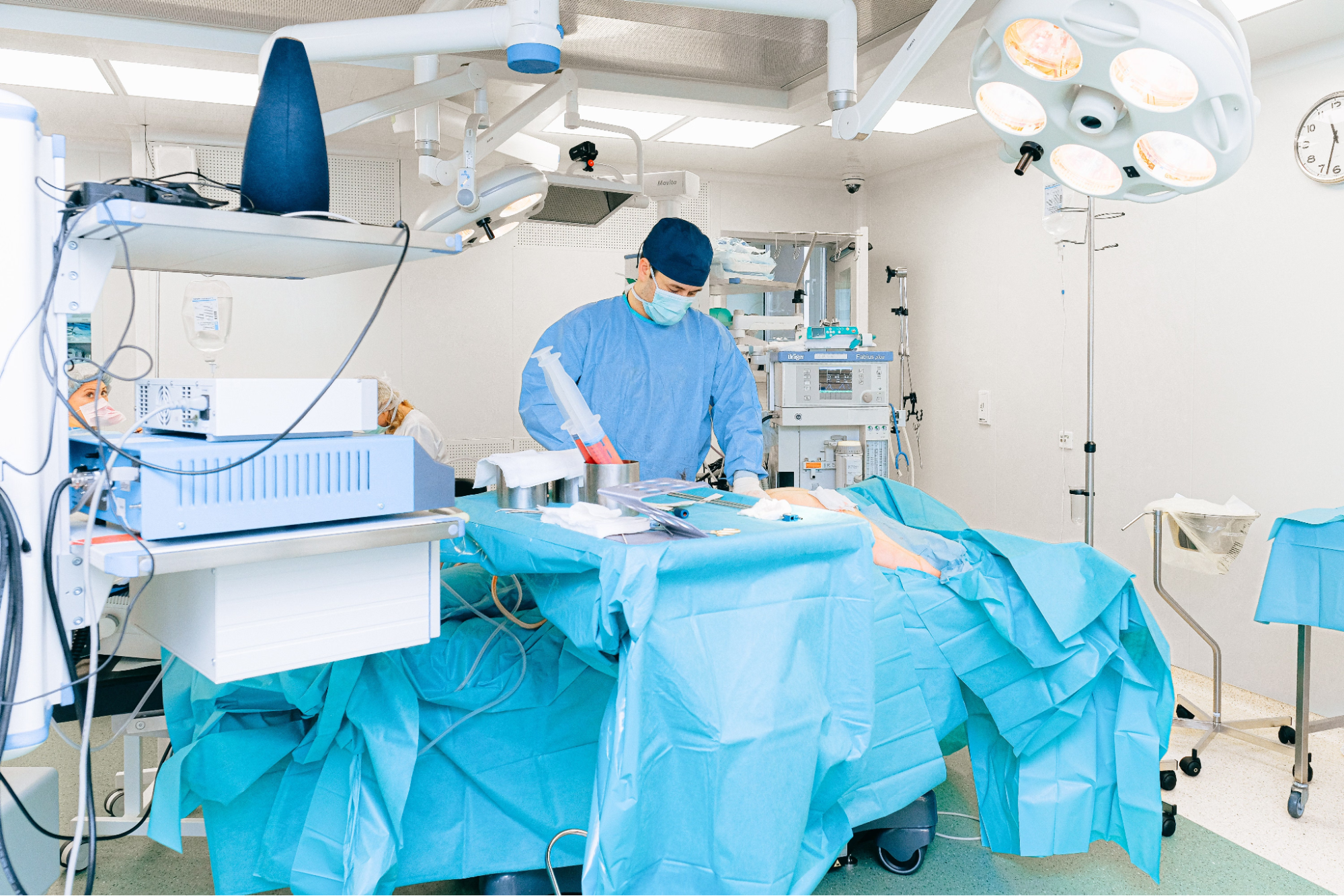
A first time in a real operating theatre can be very frightening for a medical student. Bright overhead lights, the sound of medical monitors and high pressure of patient care make for a stressful environment. The space is complex and intimidating, and a great mentor will be able to make the area more approachable and understand the proper surgical technique as well as patient care workflows in real time. Dr. Omar Marar is one of those experienced educators who is instrumental in helping the general surgery students through these early hands-on experiences. By breaking down complex operative procedures into clear manageable steps mentors build the manual dexterity and mental confidence that young doctors need to perform safely on their own.
Mastering Modern Laparoscopic And Robotic Surgical Techniques
Incredible medical advancements in the field of medicine are changing rapidly, and these changes are expected to continue at an exponential rate. Today, procedures tend to be very minimally invasive, such as laparoscopic and robotic surgery, and provide patients with less physical pain and quicker healing times. Control of high tech robotic arms and small cameras necessitates special spatial awareness and physical skills. Mentors who specialize in complicated subjects such as colon and rectal surgery teach students exactly how to use those tools. This practical education helps the next generation of healthcare professionals remain on the cutting edge of current, safe healthcare practices.
Developing Critical Communication Skills For Comprehensive Patient Care
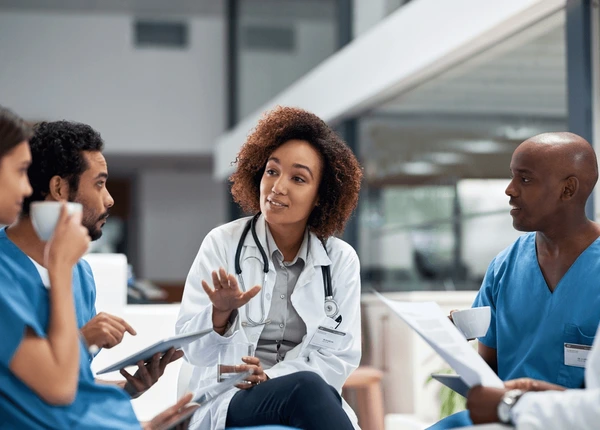
There is more to a surgical success than making accurate physical cuts and incisions with a scalpel. Very great doctor is required to be able to communicate with patients and their worried families. When dealing with serious matters, such as anal disease, colorectal cancer, or faecal incontinence, it’s important to have a lot of empathy, clarity and patience. Young residents are taught to address these challenging sensitive discussions through role modeling, with empathy and care in the bedside manner. It’s a good way to develop the softer skills of interpersonal communication that will help you to reassure patients and gain their full trust before the big procedure.
Navigating Career Trajectories And Professional Medical Networks
The path to independent attending physician is a difficult and long one with many challenging professional decisions. Doctors who have finished general residency programs should consider either training in a specialized fellow or entering academic research. These pivotal moments are especially ripe for mentoring and career counseling by those who have successfully navigated the same career trajectory and shared their medical connections and histories. They assist students in research opportunities, publication of academic papers and the acquisition of prestigious training opportunities. This ongoing professional guidance shapes the long term career paths of young doctors ensuring the continuous growth of the entire medical community.
Conclusion
The essence of surgical learning and advancement lies in medical mentorship. Veteran doctors are helping to ensure that patient care is safe and highly effective for future generations by ensuring that the students they teach are eager to learn and are able to practice with confidence. Textbooks can’t substitute for the total foundation that comes from the teaching of advanced robotic techniques, and modeling of compassionate bedside communication mentors. It’s a potent transmission of knowledge that keeps the legacy of surgery alive and helps advance medical technology. Investing time into professional guidance guarantees that the next generation of operators will approach the field with complete confidence and deep human empathy.
