As modern societies race toward technological advancement and urban expansion, physical environments change constantly. Old stone storefronts are replaced with high rise glass towers, and multi-lane highways plow through raw landscapes where historical events took place. In the midst of such modernization, the preservation of history is a vital pillar of humankind. Saving old buildings, battlefields, and cultural landscapes is not merely about expressing nostalgia for a bygone era. Rather, preservation of historic property keeps our shared memory alive and alive, and gives future generations a textbook they can’t get rid of, one that teaches them resilience and identity.
Connecting Modern Communities with Ancestral Roots

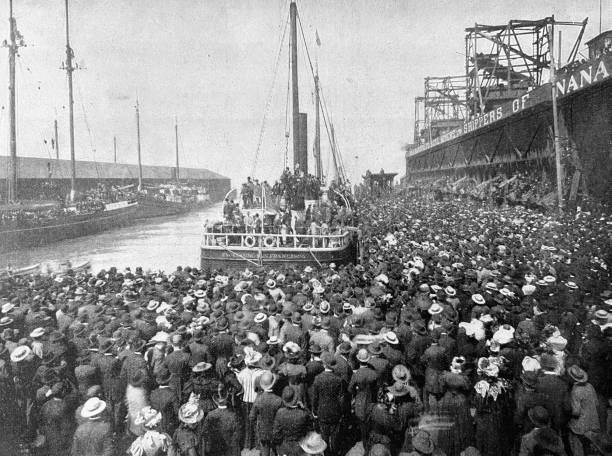
To understand where we come from is crucial to where we are going. Natural sites are a tangible link to the people who established towns and established fundamental civic laws centuries ago. For example, heritage groups like the Native Sons of the Golden West demonstrate how community-driven stewardship keeps early stories alive. This hardworking fraternal group was established in 1875 to honor the 1849 Gold Rush pioneers and their dedication to establishing historical markers and plaques. Working with the California Landmark Foundation for the rehabilitation of sites provides citizens with opportunities to experience the walls where history unfolded, connecting to basic classroom lessons by providing a real experience.
Safeguarding Tangible Markers of Human Progress
Museum archives and digital records are valuable assets, but they cannot replicate the profound emotional impact of standing inside an original historical space. The physical structures reflect the particular architectural ingenuity and raw materials of past times. The preservation of these properties ensures that the “visual history of human progress” is not lost forever because of concrete developments of today. When a community values its physical monuments, it protects the diverse artistic expressions of previous generations. Preserving these landmarks enables future builders to learn from the designs of their ancestors which they can incorporate into their own work and work with today, and inspire them to build with respect.
Boosting Local Economies and Cultural Tourism
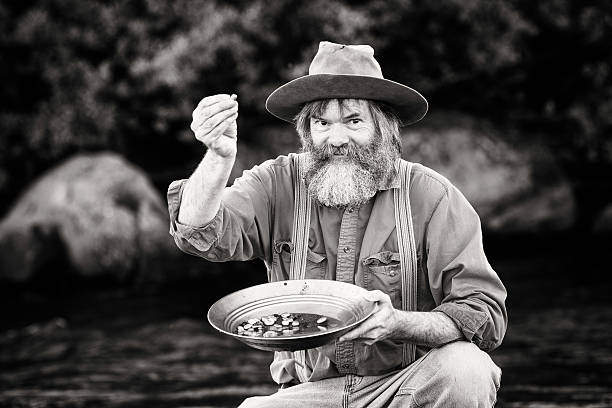
In addition to being a teaching tool, the preservation of history offers practical economic benefits to today’s municipalities. The historical areas with good preservation value draw cultural tourists who want to enjoy the true richness of their local history and traditional public marketplaces. This constant flow of tourists provides regular income for residents, hotels and crafts. Instead of destroying the old districts, there is the possibility to renovate the original buildings to create a unique regional identity which cannot be produced elsewhere. Investing in heritage site maintenance creates a continuous loop of economic growth, proving that protecting the past actively funds community prosperity.
Fostering Environmental Sustainability Through Adaptive Reuse
The conservation of historic properties is also a good way to conserve our environment. When an existing structure is torn down, the disposal of the waste material amounts to tons, which immediately adds to the area’s landfill. It takes huge amount of raw materials and heavy industrial energy to build new facilities. The process of restoring an old building can be called adaptive reuse, and it can be a way for communities to modernize the interior functions of a building while maintaining its historic exterior. Energy and carbon emissions are significantly reduced by using existing foundations and masonry walls, which demonstrates the compatibility of historic preservation with today’s green building requirements.
Conclusion
The preservation of our common historical heritage is an important duty that will help future societies to stay securely and permanently linked to their cultural identity. If we sustain physical landmarks, and celebrate our ancestors’ successes, then there doesn’t have to be collective cultural amnesia in the very fast-paced world we live in today. When economic development and heritage protection are balanced, the special and lively regional features of the town will not be lost and modern towns will develop. These preserved areas are timeless memorials to human determination through different eras of history. Committing to rigorous historical preservation today guarantees that the children of tomorrow can explore their roots with pride, finding clear inspiration from the past to build a better world always.