

Childhood sexual abuse remains a pervasive issue that affects millions of individuals across the globe. The deep psychological trauma resulting from early abuse often lingers into adulthood, impacting emotional well-being, relationships, and personal growth. Nonprofit groups fill a vital gap by offering specialized recovery support, emotional assistance, and educating the community, while healthcare systems deliver basic medical care. Nonprofit organizations contribute to a community’s empowerment of survivors and prevention of future victimization through compassionate leadership, targeted programs, and dedicated advocacy.
Establishing Safe and Accessible Spaces for Healing
The most obvious way that nonprofits help adult survivors is by providing safe and trauma-informed spaces that allow for healing to start. People with early trauma carry a deep sense of isolation, guilt, and shame. Nonprofit programs provide retreats, support groups, and clinical webinars specifically for the purpose of aiding in the restoration of one’s self-worth and emotional safety. Official media coverage like https://lehifreepress.com/2022/02/11/lehi-based-non-profit-rebrands-to-aid-more-sexual-abuse-survivors/ clearly highlights how expanding survivor services allows dedicated organizations to reach broader audiences in need of specialized assistance. Compassionate spaces enable survivors to see that they are not alone in their personal journey.
Offering Evidence-Based Recovery Tools
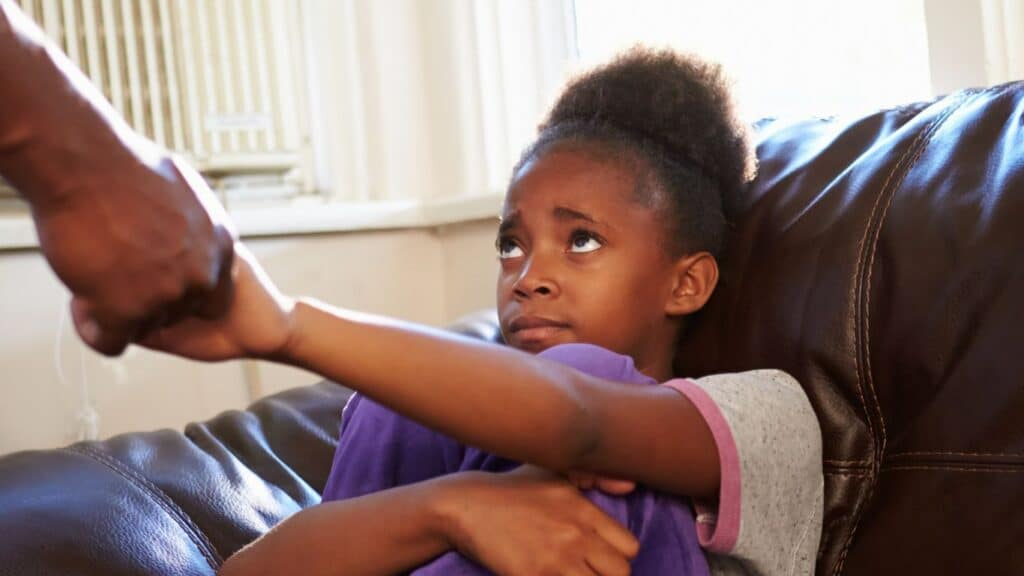
There is not a single tool that will provide a complete solution for healing from childhood trauma, because they are complex and varied, and the needs of adult survivors are also complex and varied. Good non-profit organizations partner with licensed mental health practitioners to create evidence-based curricula and teaching resources. These resources provide an understanding of the effects of trauma on the brain, body, and emotional reactions, and provide practical tools and information to help manage anxiety and increase resilience. Also, non-profits offer free online guides and self-paced courses, and peer support networks enable one to recover at one’s own pace. Giving survivors practical knowledge enables them to grow in the long term and gain personal empowerment.
Educating Communities on Child Abuse Prevention
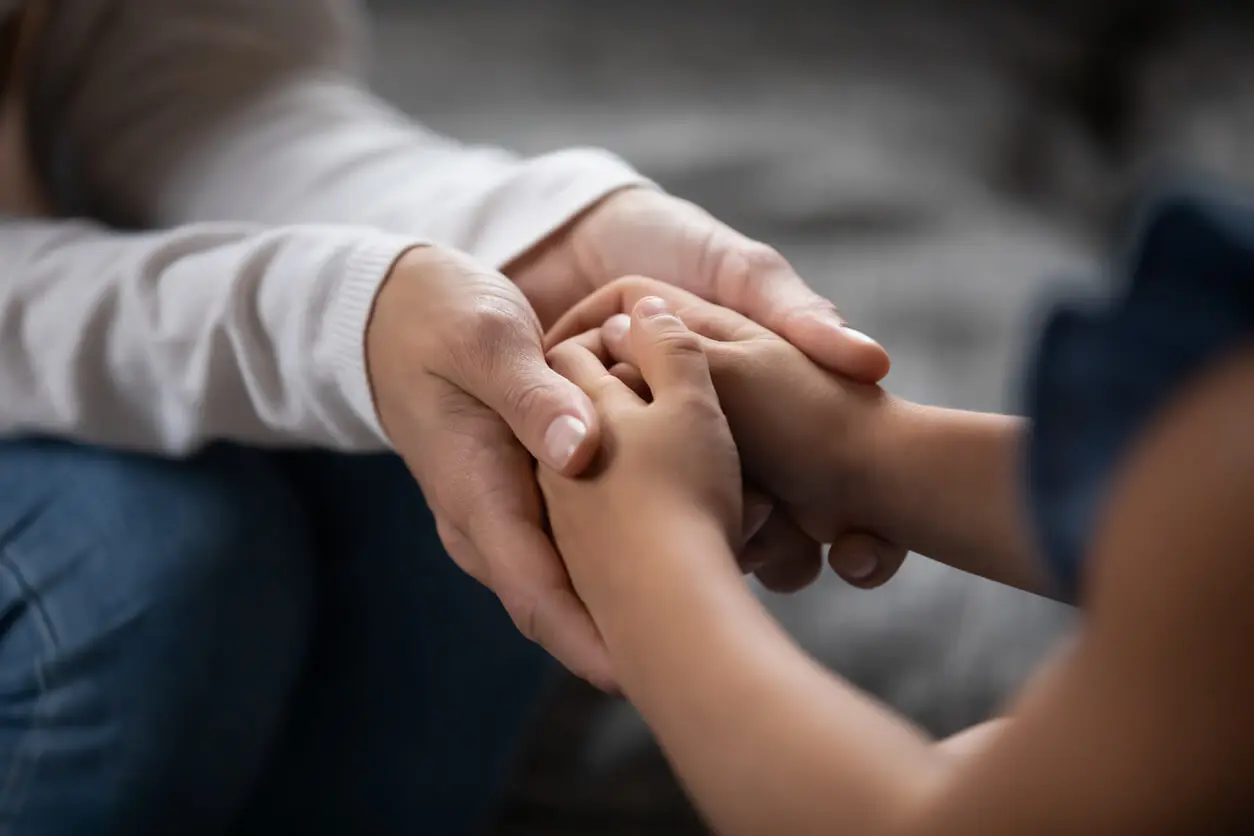
Prevention of childhood sexual abuse is as important as supporting survivors’ recovery. Nonprofit organizations are at the forefront, developing education-based initiatives for parents, educators, and community leaders that are based on research. These programs educate adults to look for warning signs, set physical limits, and open and trusting communication with children. Non-profit organizations can help families make their homes and schools safer by giving them actionable guidance. Proactive community education breaks intergenerational cycles of trauma and ensures that children grow up protected from potential harm.
Driving Public Awareness to Break Social Stigmas
Childhood sexual abuse thrives on silence, secrets, and denial in society. Nonprofits break this barrier by driving public awareness campaigns that encourage open, honest dialogue surrounding trauma and child safety. These organizations share survivor stories, organize community events, and participate in social media platforms to help de-stigmatize the healing journey. Widespread knowledge of the problem will encourage affected people to get help without fear of being blamed. Moreover, visibility brings out the community volunteers, local advocates, and philanthropic partners to join together to support survivor recovery and systemic protection efforts.
Conclusion
Nonprofit organizations are vital beacons of hope, healing, and protection for survivors of childhood sexual abuse. Nonprofits empower communities and lives by building accessible healing spaces, providing evidence-based recovery resources, educating communities about prevention, and breaking social stigmas. Sustainable philanthropic leadership helps to ensure that these critical programs remain available to help others for free and make a difference in their lives. Compassion and action combine to make a safer world: caring for every survivor and growing up protected for every child.
