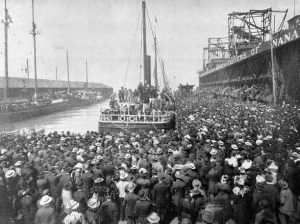
Local history provides a unique window into how past generations shaped the world we live in today. Whether it’s the early settlements or the historic commercial districts, every community has a rich story to tell. They safeguard the tangible artifacts of our collective identity. But as modern towns grow and the old buildings grow older, they are constantly at risk of being torn down and left disregarded. Giving attention to regional culture demands effort, and where preservation is concerned, community groups have a large role to play in ensuring that significant historic legacies are never forgotten by present-day citizens.
Erecting Historical Markers and Plaques
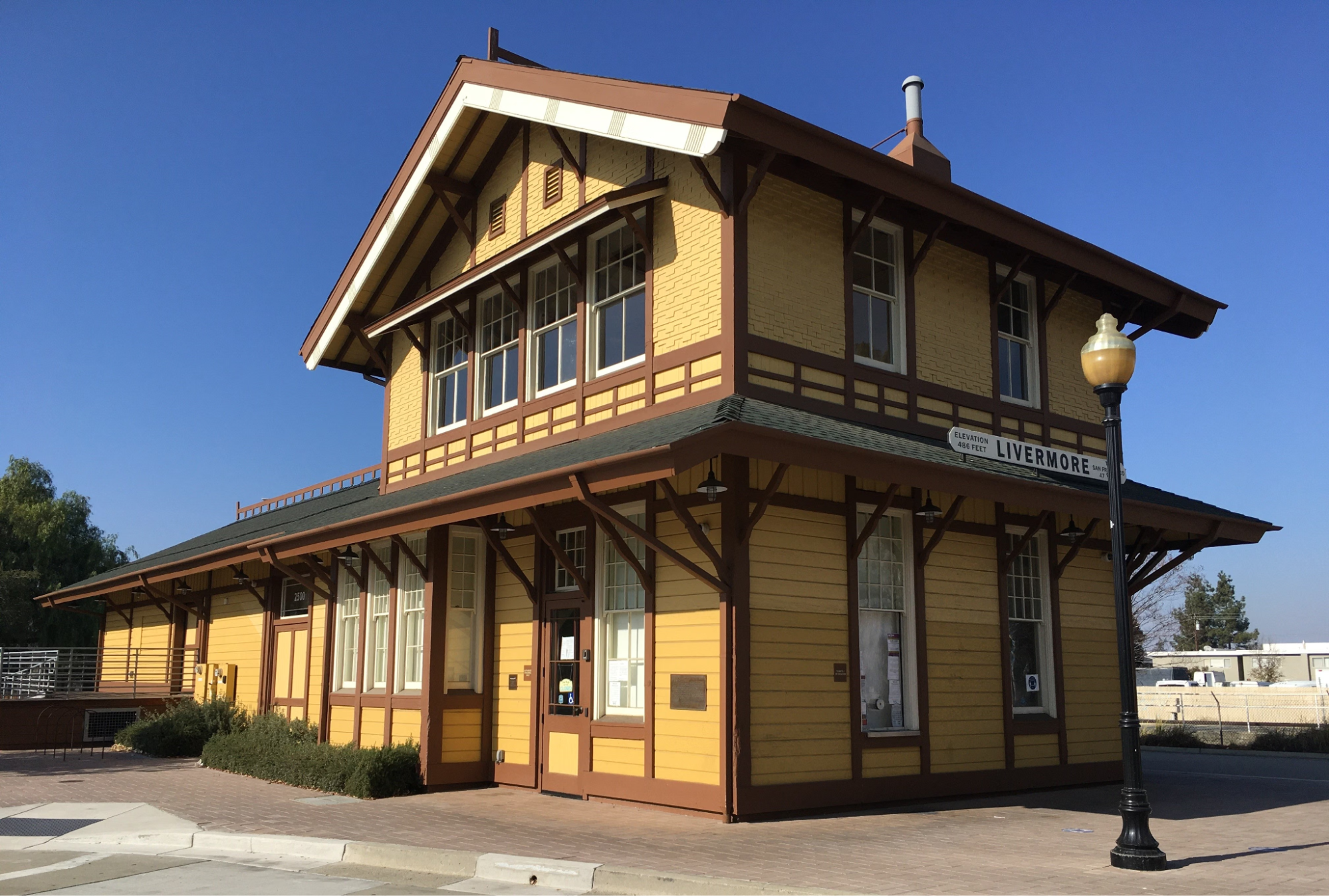
It’s important to know the stories behind buildings and streets as you walk through an historic town. A dedicated heritage organization works hard to install physical markers and plaques across local communities to highlight significant events and early pioneers. The visible reminders teach passersby about where their communities came from and can evoke a sense of connection to the past. These organizations help tourists and commuters alike stop and reflect on the great heritage that lies just below their feet. These continued efforts preserve regional memories, and they are visible and well venerated by all those who live in the region today.
Rehabilitating Historic Sites
While studying history in books is very useful, it is completely different to being in a restored 19th-century building. Decades of environmental wear and tear are often present on many historical structures. Local preservation organisations take up the tasks of rehabilitating these older buildings in a way that would restore them to their structural integrity and grandeur. These are very time- and technique-consuming projects. When fully restored, these sites may be donated to stewardship by the public for the benefit of all. Turning old pioneer cabins and historical landmarks into public places leads to permanent outdoor museums, providing a regional cultural and architectural tribute.
Partnering for Greater Impact
The ongoing efforts of preserving local history are a huge task that involves cooperating people and resources. No one group is capable of protecting all historic sites by itself. Effective preservationists often work cooperatively with other historical societies, landmark foundations, and local government bodies to achieve maximum impact. The strategic partnerships bring in funding, expertise, and volunteer labor all in one to address large-scale restoration projects. With expert collaboration, preservation organizations can keep threatened structures and historic sites off the commercial real estate and urban development radar screens.
Educating Future Generations
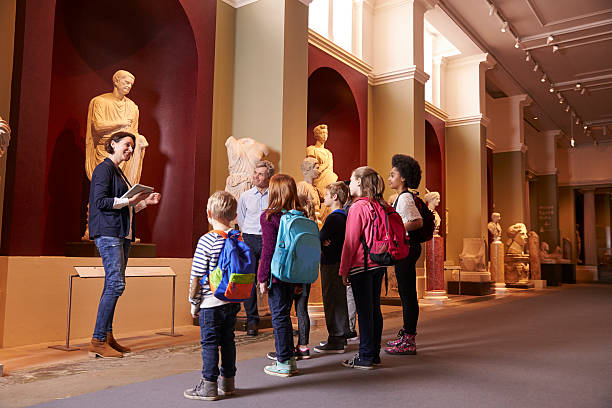
Preserving the past is, after all, about a smart and culturally conscious future for all. Community heritage groups do a lot of work to develop educational initiatives especially geared to students and young adults. Taking students on trips to revitalized historical sites makes the classrooms come alive in an exciting way. Youth feel a strong sense of pride in their community when they see physical proof of early settlers and pioneers of the gold rush era. Educating kids on the importance of preserving their local history will lead them to become history buffs.
Conclusion
Maintaining local history takes a commitment, investment, and community effort. Historic preservation organizations preserve our common cultural heritage by raising awareness among young students, repairing and replacing old buildings, and, with allied foundations, erecting informative plaques. These essential works help keep the stories of early settlers and historic times alive and available. Preserving the heritage at the local level ensures that future generations will always recognize, appreciate, and value the heritage of their communities. Creating local awareness assures our history will endure. Preserving our history is preserving our future.