
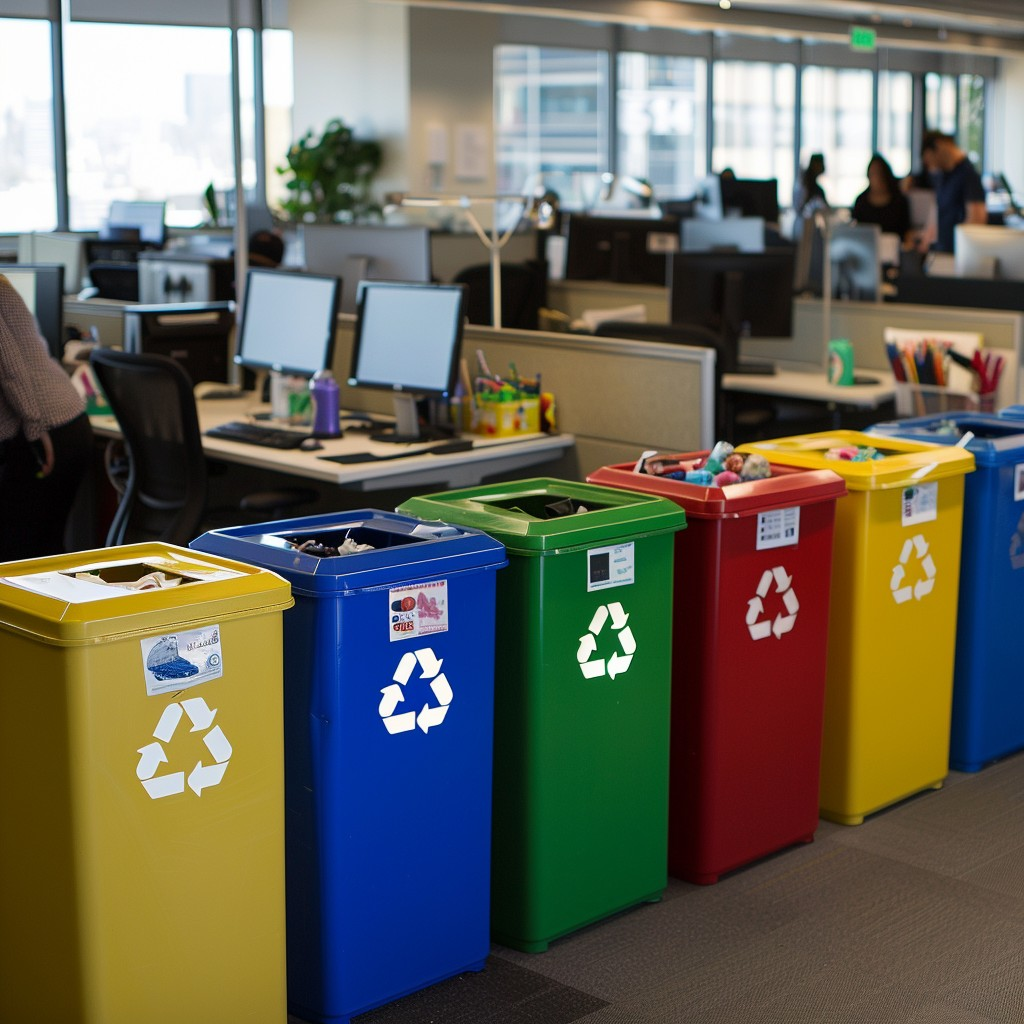
Australian commercial enterprises generate significant volumes of waste through everyday operations. Whether it’s office waste, packing paper or electronic products, and kitchen scraps, commercial activities are a constant drain on local waste management. By establishing clear and manageable recycling procedures, organisations can help reduce their environmental impact, manage costs for disposal, and contribute to the country’s sustainability efforts, all while maintaining regular operations.
Assess Current Waste and Streamline Collections
By just looking at the current waste receptacles, it’s easy to see the main waste being produced in each workspace area. Retailers and warehouses tend to produce ample amounts of clean cardboard boxes, while offices subsequently build up their stock of paper, ink cartridges, and beverage packaging.
Knowing these amounts will help managers set up collection points to meet specific needs. Engaging a reliable partner like AB Recycling enables organisations to establish consistent paper and cardboard pickup schedules that match their workload. Direct pickup services maintain clean work zones, prevent recyclables from piling up at delivery docks and ensure the useful resources are channeled right into production cycles.
Set Up Clear and Accessible Sorting Stations
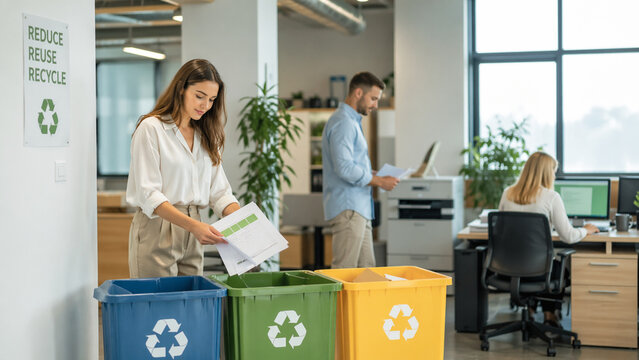
One of the main issues causing contamination of the waste stream is confusion about where things belong. General waste bins are located next to recycling bins so proper disposal will be the automatic option for employees and visitors.
Using colour-coded bins and simple visual aids at eye level, sorting mistakes are greatly minimised. Placing paper bins near printers, cardboard collection units in dispatch zones, and co-mingled containers in staff kitchens ensures that materials are sorted at the point of origin.
Simplify Paper and Cardboard Handling
Paper and cardboard represent a major share of commercial waste in Australian workplaces. With a few simple habits in place, the management of these materials will be efficient with minimum physical effort.
- Flatten all cardboard boxes completely before placing them into bins to maximize storage capacity.
- Prevent liquid or food spills on paper products to maintain fibre quality.
- Unwrap, unpad and defoil any card supplies before they are bundled.
- Locate shredding bins close to confidential document stations to keep any sensitive documents safe and collect clean paper.
These simple handling procedures will help to keep collection areas clean, avoid overfilling of bins and make it easy to convert collected paper and cardboard into new paper products.
Reduce Supply Chain and Packaging Waste
Incorporating a proactive approach to reducing incoming waste will make recycling procedures much more effective. To minimize single-use packaging, businesses can engage their supplier networks for a streamlined packaging process.
Encouraging vendors to use reusable crates, unbleached cardboard, or minimal protective wrapping directly reduces the volume of rubbish entering a facility. Plus, incorporating digital invoicing, double-sided printing and reusable kitchenware cuts the use of paper and plastic within the company, saving office supplies and decreasing the daily recycling burden.
Involve Staff Through Consistent Education
Building a sustainable workplace culture relies on clear communication and consistent habits. When employees are aware of the contributions effective trash separation makes to their community and environment, they are much more likely to recycle.
Having a few training sessions at the start of the job, regular reminders at team meetings, and signage at the bin stations keeps awareness high in all areas of the business. Having internal green champions provides a point of contact for staff to approach for queries and ensure sustainability is on their mind.
Conclusion
Making any improvements in commercial waste practices does not require elaborate changes in operations and the use of costly equipment. By conducting simple waste reviews, arranging reliable collection services, establishing labeled sorting stations, and encouraging staff involvement, Australian businesses can build effective recycling routines. These measures help to safeguard Australia’s natural resources, reduce the amount of valuable materials flowing into local landfill sites, and contribute to a cleaner and more sustainable future for Australian communities.
